
The content walks through a modern, practical approach to creating a professional WordPress website by combining Elementor AI with ZipWP. The central idea is that a fully functional website can be produced very quickly, while still remaining flexible and easy to refine after launch.
The process begins with selecting a solid technical foundation. Before any design work starts, a domain name and reliable hosting are required. The guide points to Hostinger’s Business plan as a suitable option because of its fast NVMe-based storage, built-in security features such as SSL, and domain privacy that keeps personal contact details protected. From a budgeting perspective, the setup is positioned as accessible, offering a free domain and optional discounts to reduce initial costs.
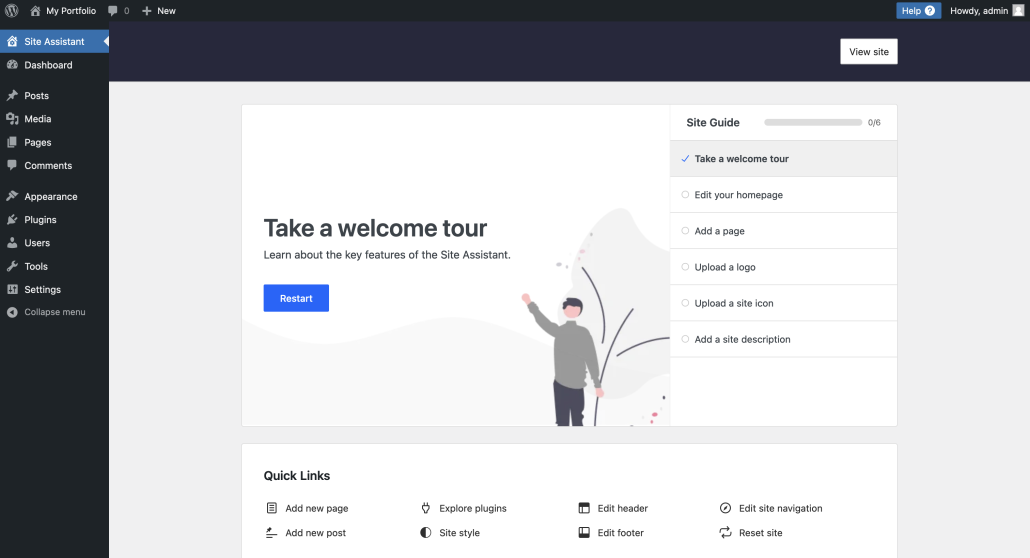
Once hosting is ready, WordPress is installed and prepared for use. Rather than building on top of default content, the approach encourages starting with a clean workspace. This includes removing sample posts, pages, and unused plugins so the dashboard stays simple and efficient. Early optimizations are also applied, such as using readable URLs and ensuring the site runs on HTTPS to improve security and credibility.
At the core of the workflow is AI-assisted website creation. Using the ZipWP builder through the Starter Templates plugin, users describe their website in plain language—its purpose, audience, and offerings. AI then refines this input into clearer, more professional text and uses it to generate layouts and structure. Images can be selected from royalty-free libraries or uploaded manually, with careful file naming recommended to support better search visibility.
After the initial site is generated, further refinement happens through Elementor together with the Astra theme. Astra provides the overall layout framework, while Elementor allows full visual control over pages. Global style settings make it possible to update colors, typography, and button styles across the entire site at once. Additional design options—such as fixed background effects, decorative section dividers, and mobile-specific layout adjustments—help enhance the look and feel without writing custom code.
For projects that go beyond a basic website, the content also mentions optional enhancements. One example is integrating an online booking system so visitors can schedule services directly on the site. For larger teams or more advanced needs, a paid version of the AI builder is referenced, offering collaboration features and deeper control over site structure.
Overall, the focus is on speed, clarity, and long-term usability. AI is positioned as a way to accelerate the first version of a website, while WordPress and Elementor provide the tools needed to shape, expand, and maintain it over time.