
AI vs Traditional Logic in App Development – When to Use Each
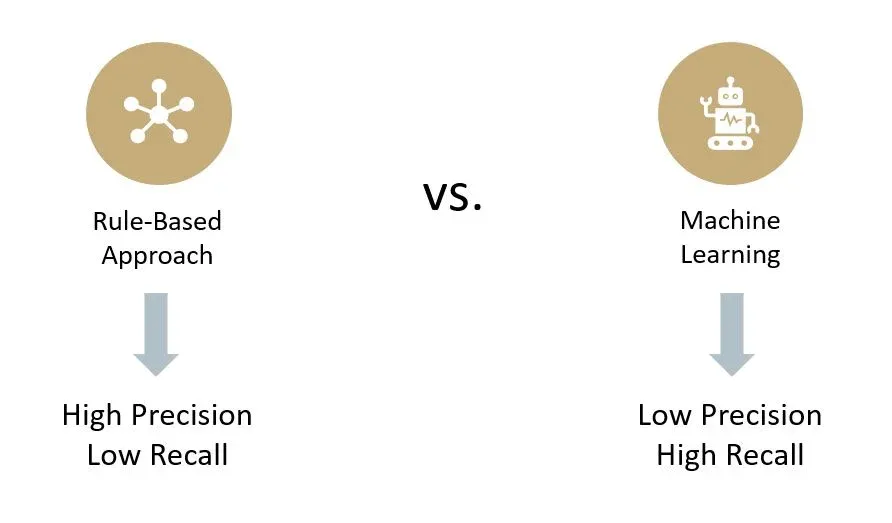
In app development, AI and traditional logic are not
competitors—they are complementary tools, and
knowing when to use each one is what separates a solid
app from a truly smart one. Traditional logic is the
foundation of every reliable application. It is built on
clear rules, conditions, and predictable outcomes.
When a feature must behave the same way every time
—such as user authentication, payments, permissions,
navigation flows, or business rules—traditional logic is
the safest and most efficient choice. It is fast,
transparent, easy to test, and easy to maintain. When
something goes wrong, developers can trace the issue
directly to a specific rule or condition and fix it with
confidence.
AI enters the picture when rules alone are no longer
enough. Many modern app features deal with
uncertainty, variation, and human behavior, which are
hard to capture with fixed logic. This is where AI
becomes valuable. Features like recommendations,
personalized content, search relevance, smart
notifications, or in-app assistants benefit from learning
patterns rather than following strict instructions. AI can
adapt over time, improve with data, and handle edge
cases that would make traditional rule-based systems
complex and brittle. Instead of asking “if this, then
that,” AI asks, “what usually works best in situations
like this?”
The mistake many teams make is treating AI as a
replacement for traditional logic. This often leads to
overcomplicated systems, unpredictable behavior, and
loss of control in critical parts of the app. A payment
flow driven by AI, for example, would be a terrible
idea. Users expect clarity, consistency, and trust in
such interactions. On the other hand, forcing
everything into rigid logic can result in apps that feel
cold, static, and out of touch with user needs. Endless
condition trees to simulate “intelligence” quickly
become hard to manage and impossible to scale.
The most effective approach is a hybrid one.
Traditional logic should form the backbone of the app,
ensuring stability, performance, and clear structure. AI
should be layered on top where flexibility and insight
genuinely add value. For example, logic defines what
content is available and what actions are allowed,
while AI helps decide which content to show first,
when to prompt the user, or how to personalize the
experience. In this setup, logic keeps the app grounded,
and AI makes it feel responsive and human.
From a product and business perspective, this balance
also reduces risk. Traditional logic is cheaper to build,
easier to audit, and simpler to explain to stakeholders.
AI requires data, monitoring, and ongoing tuning, so it
should be used deliberately, not everywhere. When
applied thoughtfully, AI enhances the app without
undermining reliability or user trust.
In the end, great app development is not about
choosing AI over traditional logic or vice versa. It is
about understanding their strengths and limitations,
and using each where it makes the most sense. Apps
built this way feel both solid and smart—predictable
where they must be, and adaptive where it truly
matters.