
Smart Features in Apps: Recommendations, Assistants, and Automation
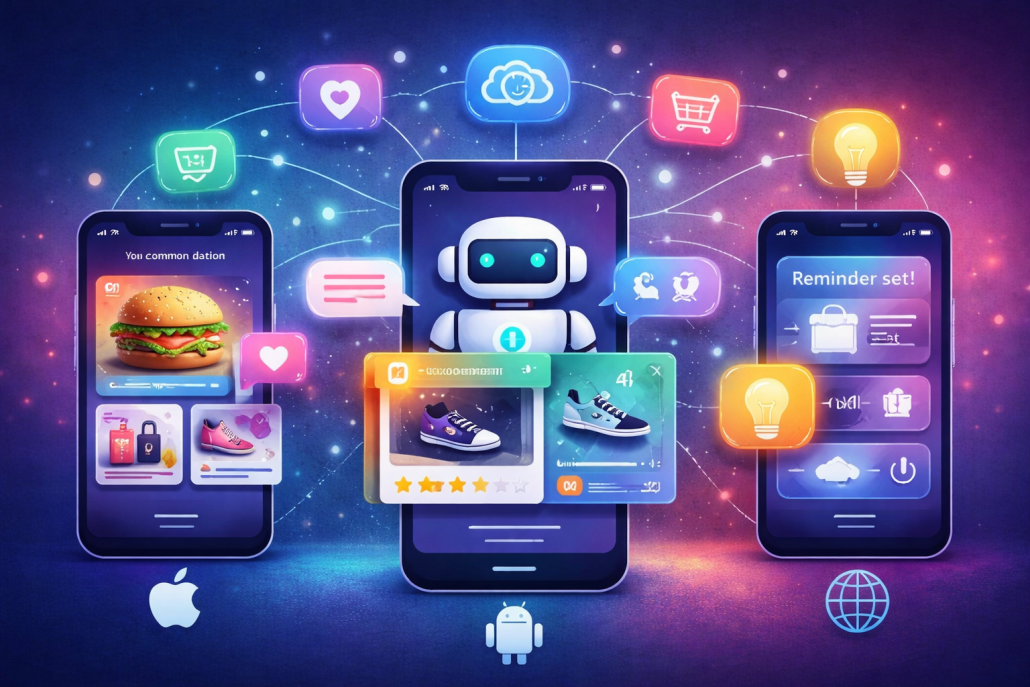
Smart features such as recommendations, digital
assistants, and automation are now common in modern
apps, but users experience them through a mix of
appreciation and frustration. While these features are
designed to make life easier, many complaints reveal
where apps fail to align intelligence with real human
expectations. Looking at these complaints helps clarify
what works, what doesn’t, and why thoughtful design
matters.
Recommendations are often praised when they save
time, but they are also one of the most frequent sources
of user complaints. A common frustration sounds like
this: “I looked at one item once, and now the app won’t
stop showing it to me.” In shopping and content apps,
users often complain that recommendations feel
repetitive or stuck, as if the app refuses to learn beyond
a single action. Others say, “These suggestions don’t
match what I need right now,” pointing to a lack of
context awareness. When recommendations ignore
timing, mood, or changing goals, they stop feeling
helpful and start feeling pushy.
Digital assistants face a different set of complaints.
Many users report that assistants “talk too much but
say very little.” For example, someone asking a simple
question may receive a long, vague answer that
doesn’t solve the problem. Another common complaint
is, “It keeps misunderstanding me, even when I say
the same thing differently.” In apps related to banking,
travel, or healthcare, this can quickly lead to
frustration, because users expect clarity and precision.
Some users also feel trapped when assistants act as
barriers, saying things like, “I just want to talk to a
human, but the app won’t let me.” When assistants fail
to recognize their limits, trust breaks down.
Automation, while often invisible, generates
complaints when users feel out of control. A frequent
example is, “The app changed something without
telling me.” Automatically organizing content,
adjusting settings, or triggering actions can be helpful,
but when automation lacks transparency, it creates
anxiety. In productivity apps, users may complain that
automated task changes disrupt their workflow. In
finance or health apps, even small automated decisions
can feel risky if users don’t understand why they
happened.
Across all three smart features, one recurring
complaint stands out: “The app doesn’t explain itself.”
Users are generally open to intelligent behavior, but
they want to know what is happening and why. They
also want the ability to correct the system easily.
Features that cannot be adjusted, paused, or turned off
often feel disrespectful, even if they are technically
advanced.
These complaints highlight an important lesson. Smart
features are not judged by how sophisticated they are,
but by how well they respect the user’s intent.
Recommendations should learn and adapt, assistants
should be concise and honest, and automation should
be predictable and reversible. When apps listen to
these complaints and design accordingly, smart
features stop feeling like experiments and start feeling
like genuine help.